
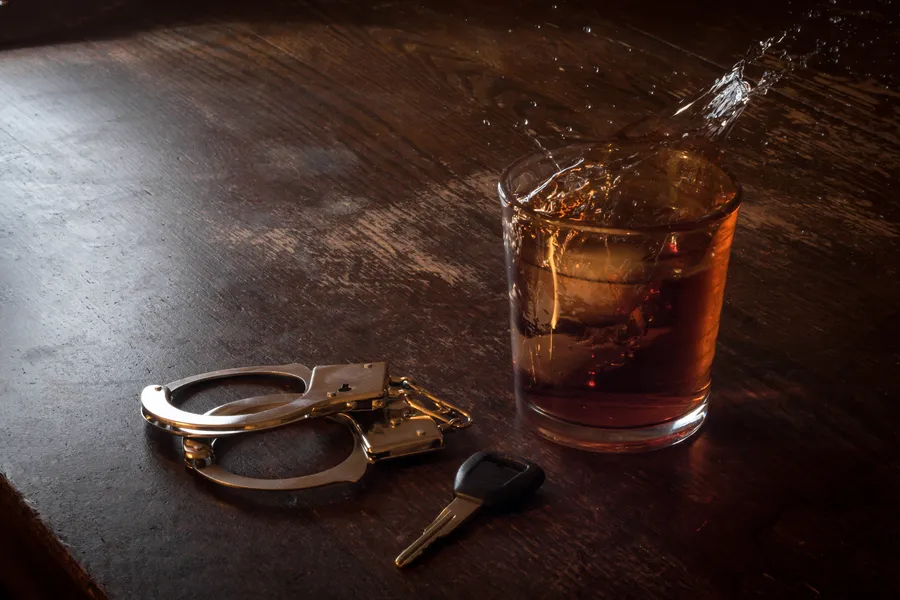
En The Law Offices of Kerry L. Armstrong, APLC, recibimos muchas preguntas de personas que nunca han tenido problemas antes y que son arrestadas por conducir en estado de ebriedad.
Una pregunta común es: ¿Cuál es la diferencia entre un DUI y un DWI en California?
Es comprensible que tenga preguntas, porque la ley de California sobre conducir en estado de ebriedad es complicada y puede resultar confusa.
Abogado Kerry L. Armstrong y nuestro equipo de experimentados abogados de defensa por conducir en estado de ebriedad pueden revisar cada aspecto de su caso y responder sus preguntas, incluido por qué DUI y DWI significan lo mismo en California.
Brindamos una defensa legal superior junto con apoyo emocional para ayudarlo a superar el estrés de ser acusado de un delito.
Y nos enorgullecemos de brindarle las mejores defensas posibles. Lucharemos para limitar su exposición a la cárcel, la libertad condicional y otras consecuencias severas de un cargo por conducir en estado de ebriedad.
Contáctenos para programar una consulta.
DUI vs. DWI en California

DUI y DWI son abreviaturas que se refieren a cargos por conducir en estado de ebriedad. Las abreviaturas se derivan del lenguaje legal utilizado en un estado en particular.
Algunos estados usan ambas abreviaturas para referirse a diferentes delitos, pero California no lo hace. DUI por lo general significa conducir bajo la influencia (driving under the influence), mientras que DWI es una abreviatura de conducir en estado de intoxicación (driving while intoxicated).
Como se mencionó, algunos estados diferencian estos dos términos, pero significan lo mismo en California.
Código de Vehículos de California §23152 declara que conducir un vehículo bajo la influencia del alcohol es un delito.
Los tribunales de California tienden a referirse a los cargos por conducir en estado de ebriedad como DUI en lugar de DWI debido al lenguaje legal.
Referirse a conducir en estado de ebriedad como DWI no es incorrecto; sin embargo, esa abreviatura en particular no coincide con el lenguaje legal como lo hace DUI.
Tipos de cargos de DUI en California
DUI en California se refiere a varios tipos diferentes de delitos de DUI. La ley estatal de DUI se refiere a conducir bajo la influencia, DUI per se, conducir mientras se es adicto a las drogas, DUI por drogas, DUI con drogas y alcohol, y conducir un vehículo motorizado comercial o un vehículo de pasajeros de alquiler bajo la influencia o con un contenido de alcohol en la sangre (BAC) de 0.04% o mayor.
¿Cuál es la diferencia entre los cargos de DUI?
El tipo de evidencia que los fiscales usarán para condenarlo es la diferencia clave entre los cargos de DUI de California.
En un proceso por DUI, el oficial de policía que lo arrestó testificará sobre la evidencia recopilada en el lugar, como las pruebas de sobriedad en el campo y las observaciones que llevaron al oficial a creer que usted conducía bajo la influencia.
La evidencia en un proceso por DUI per se es similar. DUI per se se refiere al “límite legal” de California sobre cuánto alcohol puede haber en su cuerpo antes de que se le acuse de un delito.
La el límite legal en California es un BAC de 0.08% o superior. Entonces, si se sometió a una prueba química, el fiscal llamará a testigos para que testifiquen sobre el resultado.
La fiscalía podría necesitar llamar a un experto en reconocimiento de drogas para hablar sobre conducir bajo la influencia de drogas o de una combinación de drogas y alcohol si sospechan que usted usó drogas y condujo.
Combata sus cargos de DUI en el Condado de San Diego con abogados de defensa penal con experiencia
Alentamos a nuestros clientes a hacer preguntas como: ¿Cuál es la diferencia entre un DUI y un DWI en California? Con gusto nos tomamos el tiempo para asegurarnos de que entienda cada aspecto de su defensa.
Llámanos hoy al 619-439-0912 o contáctenos en línea para hablar con nuestros galardonados abogados de defensa penal.
Está en buenas manos con el especialista certificado en derecho penal por la Barra de Abogados del Estado de California Kerry L. Armstrong y su equipo.
Sección de preguntas frecuentes
¿Existe una diferencia entre DUI y DWI en California?
No. El Código de Vehículos de California § 23152 usa únicamente el término DUI, y no existe un delito separado llamado DWI bajo la ley de California. Los términos a veces se usan indistintamente en conversación, pero todo proceso por conducir en estado de ebriedad en California es técnicamente un cargo de DUI.
¿Por qué California usa DUI en lugar de DWI?
El lenguaje legal de California —específicamente el Código de Vehículos § 23152— usa la frase “conducir bajo la influencia” (driving under the influence). Ese lenguaje es el origen de la abreviatura DUI. Dado que los tribunales, fiscales y el DMV de California se rigen por el estatuto, “DUI” es el término utilizado en todos los documentos oficiales, mientras que “DWI” es jerga informal en este estado.
¿Cuál es el límite legal de BAC en California?
El límite legal de BAC en California es 0.08% para conductores de 21 años o más, 0.04% para conductores comerciales, y 0.01% para conductores menores de 21 años o en libertad condicional por DUI. Un conductor también puede ser acusado bajo VC 23152(a) por estar impedido independientemente del BAC.
¿Puede recibir un DUI en California sin haber consumido alcohol?
Sí. La ley de DUI de California cubre conducir bajo la influencia de cualquier droga: medicamentos recetados, cannabis, medicamentos de venta libre y drogas ilegales, todos aplican si afectan su capacidad para conducir. Los DUI relacionados con drogas se acusan bajo el Código de Vehículos § 23152(f) y conllevan las mismas sanciones que los DUI por alcohol.
¿Un primer DUI en California es un delito menor o un delito grave?
Un primer DUI en California por lo general es un delito menor. Puede elevarse a delito grave si el incidente causó lesiones o la muerte, el conductor tenía un BAC de 0.15% o superior, había un menor de 14 años en el vehículo, o el conductor tenía condenas previas por DUI.
¿Cuáles son las sanciones por un primer DUI en California?
Una primera condena por DUI en California conlleva hasta 6 meses en la cárcel del condado, una multa de $390 a $1,000 (más las evaluaciones de penalización que a menudo triplican el total), una suspensión de licencia de 6 meses, 3 a 9 meses de escuela de DUI, y 3 a 5 años de libertad condicional sumaria. Por lo general le siguen aumentos en las tarifas de seguro y un requisito de presentación de SR-22.
¿Cuánto tiempo permanece un DUI en su historial en California?
Una condena por DUI en California permanece en su historial penal de forma permanente a menos que se elimine mediante la anulación bajo el Código Penal § 1203.4. La condena permanece en su registro del DMV durante 10 años —durante ese período, cualquier nuevo DUI se cuenta como un “antecedente” y desencadena sanciones agravadas.
¿Se puede eliminar una condena por DUI en California?
Sí —la mayoría de las condenas por DUI en California pueden eliminarse bajo el Código Penal § 1203.4 una vez que se completa con éxito la libertad condicional. Un DUI eliminado se retira de las verificaciones de antecedentes para la mayoría de los fines de empleo, pero sí no borrar su registro del DMV y aún se cuenta como antecedente para cualquier DUI futuro.
¿Necesito un abogado de DUI para un primer delito en California?
Sí — muy recomendado. Incluso un DUI de primera ofensa en California conlleva posible tiempo en la cárcel, una suspensión de licencia, escuela de DUI, multas y consecuencias importantes en el seguro. Un abogado de DUI de California con experiencia puede impugnar la detención de tránsito, las pruebas de sobriedad en el campo y los resultados del BAC, y podría negociar la reducción del cargo a un “wet reckless” (VC 23103.5) o lograr que el caso se desestime por completo.
Dónde Puede Encontrar Nuestra Oficina en San Diego

Kerry L. Armstrong

